
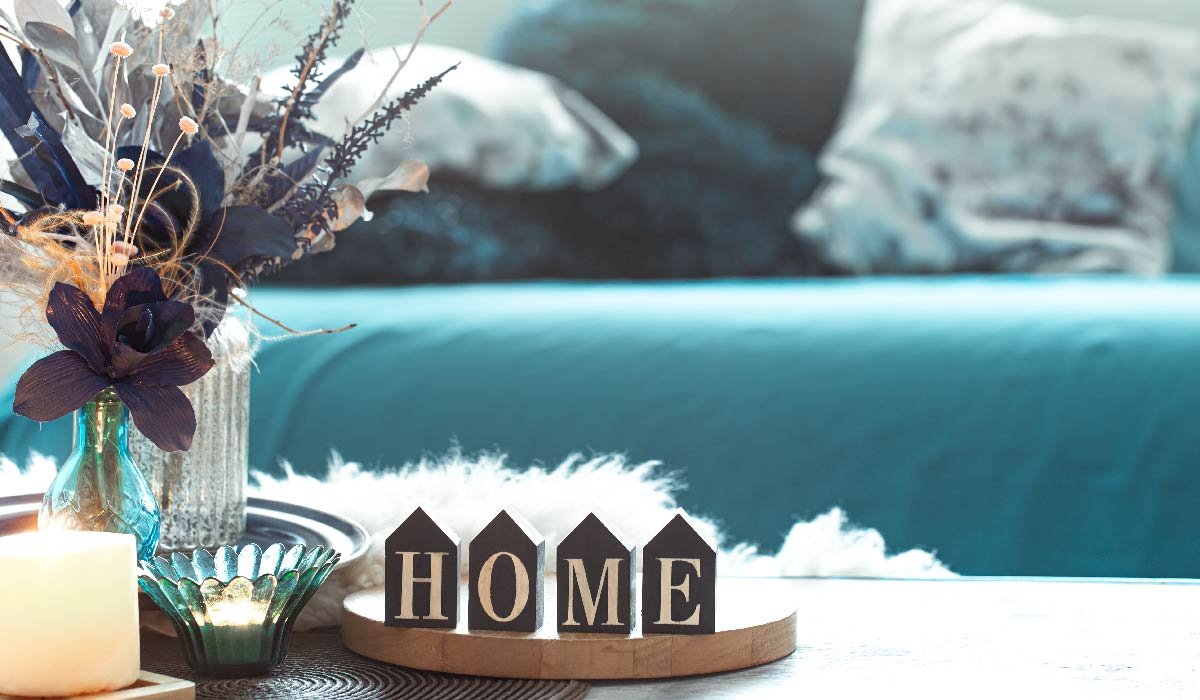
Pyntekvister: The Powerful Secret to a Calm and Beautiful Home
More Videos

Published
1 day agoon
By
AdminIntroduction
Modern homes can easily feel crowded, busy, and stressful. Too many furniture pieces, bright colors, and small decorations can make a room feel heavy instead of peaceful. This is why many people are now choosing simple and natural decor ideas that bring calmness back into the home. One beautiful example is pyntekvister, a Scandinavian-inspired decor style that uses decorative branches indoors.
Pyntekvister simply means using branches, twigs, or natural stems as part of home decoration. These branches can be fresh, dried, painted, or artificial. They are usually placed in vases, corners, shelves, entryways, or wall displays to create a soft and natural look. The idea is not about filling a room with many expensive items. Instead, it is about using one simple natural element to create beauty, balance, and peace.
In 2026, pyntekvister is becoming more popular because people want homes that feel clean, relaxing, and close to nature. Minimalism, natural living, and Scandinavian interiors are all growing trends. Pyntekvister fits perfectly with these ideas because it is simple, affordable, and easy to style. In this article, you will learn what pyntekvister means, where it comes from, how to use it, which branches work best, and how it can make your home feel more beautiful and peaceful.
What Is Pyntekvister?
Pyntekvister is a simple home decor idea based on using decorative branches inside the home. In easy words, it means placing natural or styled branches in a room to make the space look calm, fresh, and attractive. These branches can be placed in a vase, hung on a wall, used on a dining table, or added to a corner for height and texture.
Pyntekvister is not a product, brand, or fixed design item. It is more of a decor concept. The main idea is to bring a piece of nature indoors and use it as a beautiful design feature. Even one branch with a nice shape can change the feeling of a room. It can make an empty corner look complete or make a simple table feel more elegant.
Many people search for “pyntekvister meaning” because the word feels unique and unfamiliar. However, the idea behind it is very easy to understand. It is about natural beauty, simple styling, and peaceful living. Unlike heavy decoration, pyntekvister does not need many items. Its strength comes from shape, space, and natural form. This makes it perfect for people who want a stylish home without clutter.
Origin and History of Pyntekvister
Pyntekvister has strong connections with Scandinavian culture, especially in countries like Norway and Sweden. In these regions, people have always had a close relationship with nature. Forests, trees, long winters, and changing seasons have influenced the way people decorate their homes. Natural materials were often used because they were easy to find and meaningful in daily life.
During long cold months, people brought natural elements indoors to make their homes feel warmer and more alive. Branches, evergreen stems, and simple wooden items became part of home decoration and seasonal traditions. These natural pieces were not only used for beauty. They also carried meaning, memories, and a connection to the outside world.
Over time, this simple tradition slowly became part of modern interior design. Today, pyntekvister is used in stylish apartments, cozy homes, cafes, offices, and creative spaces. It still keeps its natural roots, but it now works beautifully with modern furniture, neutral colors, and clean design. This mix of history and modern style gives pyntekvister its timeless charm.
Meaning of Different Branch Types
Different branches can give different feelings to a space. Birch branches often represent new beginnings because of their light color and fresh look. Evergreen branches are linked with strength, life, and endurance because they stay green even in winter. Willow branches are known for flexibility and growth because they bend easily and create soft, flowing shapes. These meanings make pyntekvister more than simple decoration. It becomes a small symbol of nature inside the home.
Why Pyntekvister Is So Popular Today
Pyntekvister is popular today because many people want homes that feel simple, open, and peaceful. Modern life can be fast and stressful, so people are looking for home decor that helps them relax. Heavy decoration and crowded rooms are slowly being replaced by natural materials, soft colors, and clean arrangements. Pyntekvister fits this lifestyle very well.
Another reason for its popularity is its low cost. You do not need to buy expensive decor pieces to try this style. A few clean branches from a garden, park, or flower shop can be enough. Dried branches can last for months, and artificial branches can be reused again and again. This makes pyntekvister a budget-friendly choice for people who want beauty without spending too much.
Social media has also helped this trend grow. Photos of simple vases with branches, calm bedrooms, and Scandinavian-style living rooms are very popular online. These images show that small details can make a big difference. Pyntekvister looks natural, clean, and elegant in photos, which makes it attractive for homeowners, renters, bloggers, and interior designers.
Key Benefits of Using Pyntekvister in Home Decor
One of the biggest benefits of pyntekvister is that it creates a calm environment. Natural shapes can make a room feel softer and more peaceful. Branches add life without being too colorful or distracting. This is useful in living rooms, bedrooms, workspaces, and reading corners where people want a relaxing mood.
Pyntekvister also adds beauty without overcrowding the space. Many decorations can make a room feel messy, but branches create visual interest while still keeping the room open. A tall branch in a simple vase can add height, texture, and balance without taking up much space. This makes it useful for both small apartments and large homes.
This decor idea is also eco-friendly. It supports the use of natural materials and reduces the need for plastic decoration. If you reuse dried branches or collect fallen twigs carefully, it becomes a sustainable choice. Pyntekvister works with many home styles, including modern, rustic, traditional, bohemian, and Scandinavian interiors. Its flexibility makes it easy for anyone to use.
Types of Pyntekvister You Can Use
There are many types of pyntekvister you can use depending on your style and the feeling you want to create. Fresh branches are a good choice when you want a lively and natural look. They may include leaves, flowers, or soft green stems. Fresh branches look beautiful, but they do not last as long, so they need to be changed more often.
Dried branches are one of the most popular choices because they last for a long time. They have a soft, natural, and sometimes rustic look. Dried branches work well in neutral rooms and are easy to place in vases. They need very little care and can stay beautiful for months.
Artificial branches are perfect for people who want a clean look without maintenance. They do not dry out, lose leaves, or change shape. Flowering branches add color and freshness, especially in spring or for special events. Painted branches are another creative option. White, black, gold, or soft pastel branches can match modern interiors and add a stylish touch.
Best Branch Materials for Stunning Results
Birch is one of the best materials for pyntekvister because it has a light and clean appearance. Its soft color fits well with Scandinavian design, white walls, and neutral furniture. Birch branches can make a room feel fresh, bright, and minimal without looking boring.
Willow branches are also very popular because they are flexible and artistic. Their curved shapes create movement and softness. They are perfect for tall vases, wall displays, and creative arrangements. Willow works especially well in rooms where you want a natural but elegant look.
Pine branches are a great choice for winter decor. They bring freshness, greenery, and a cozy feeling to the home. Oak branches feel stronger and bolder, making them suitable for larger spaces. Maple branches are beautiful in autumn because of their warm seasonal colors. Each material creates a different mood, so the best choice depends on your room, season, and personal taste.
How Pyntekvister Connects to Scandinavian Design
Pyntekvister connects closely with Scandinavian design because both focus on simplicity, nature, and comfort. Scandinavian interiors are known for clean spaces, soft light, natural materials, and practical beauty. Instead of using too many items, this style focuses on a few meaningful pieces that make the room feel calm and balanced.
The idea of “less is more” is very important in Scandinavian design. Pyntekvister follows the same idea. A single branch in a simple vase can be more powerful than many small decorations placed together. It allows the shape of nature to become the main feature of the room.
Designers love this approach because it creates beauty without noise. Branches bring height, texture, and natural movement into a space. They also work well with wood, linen, glass, stone, and ceramic materials. This makes pyntekvister a natural part of Scandinavian homes and modern minimal interiors.
How to Style Pyntekvister in Your Home
Styling pyntekvister at home is easy when you focus on balance and simplicity. First, choose a clear focal point. This could be a coffee table, dining table, empty corner, entryway, shelf, or bedside table. The branch arrangement should feel like it belongs in that space instead of looking random.
A simple vase is often the best choice. Glass, ceramic, clay, or matte vases work very well because they do not take attention away from the branches. The vase should support the branches properly and match the style of the room. Tall branches usually need a taller and heavier vase, while smaller twigs look better in compact containers.
Lighting is also important. Natural light can highlight the shape and shadow of the branches. Soft, warm lighting in the evening can make the arrangement feel cozy and artistic. Try not to overcrowd the area around the branches. Leave some empty space so the pyntekvister can stand out naturally.
Creative Pyntek vister Decor Ideas
Pyntekvister can be used in many creative ways around the home. In the living room, tall branches can be placed in a large floor vase to create height and drama. This works especially well in empty corners or beside a sofa. A simple branch arrangement can make the room feel more complete without adding heavy furniture.
On a dining table, pyntekvister can become an elegant centerpiece. A few thin branches in a low vase can create a clean and modern table setting. In the bedroom, softer branches can add a peaceful touch. They can be placed on a bedside table, dresser, or near a window to create a calm mood.
Entryways are also a great place for pyntekvister. Branches near the door can create a natural welcome for guests. Wall displays are another creative option. You can hang a branch horizontally and decorate it with small lights, dried flowers, or seasonal ornaments. Outdoor spaces and balconies can also benefit from branch arrangements, especially when mixed with plants and natural textures.
Seasonal Styling Ideas with Pyntekvister
One of the best things about pyntekvister is that it can change with the seasons. In spring, flowering branches can bring freshness and color into the home. Light branches with small blossoms can make a room feel cheerful and alive. They are perfect for living rooms, kitchens, and dining areas.
In summer, green leafy branches can create a fresh and relaxed mood. They bring outdoor energy inside and work well with light fabrics and open windows. In autumn, dried branches, maple stems, and warm brown tones can make the home feel cozy. These colors match well with candles, wooden furniture, and soft blankets.
In winter, pine branches, bare twigs, and evergreen stems are ideal. They create a calm seasonal look without needing too much decoration. You can also add simple lights for warmth. Updating pyntekvister each season keeps your home fresh and connected to nature throughout the year.
Simple DIY Guide to Create Your Own Pyntekvister Setup
Creating your own pyntekvister setup is simple and beginner-friendly. Start by finding suitable branches. Look for branches with interesting shapes, natural curves, or clean lines. Fallen branches are often a good choice, but make sure they are clean, dry, and safe to bring indoors.
After collecting the branches, clean them properly. Remove dirt, loose bark, insects, or damaged parts. Let them dry fully before placing them inside. If needed, trim the branches to match the size of your vase or space. The branches should look balanced and should not feel too large or too small for the room.
Place the branches in a vase and adjust them slowly. Turn the vase around and check the arrangement from different angles. The goal is not perfection. The goal is natural balance. You can keep the setup plain or add small details like lights, dried flowers, or soft paint. This simple process allows you to create a personal decor piece with very little cost.
Common Mistakes to Avoid
Even though pyntekvister is simple, some mistakes can make it look messy. One common mistake is using too many branches. When the vase is overcrowded, the natural beauty of each branch disappears. It is better to use fewer branches and let their shapes stand out.
Another mistake is choosing a vase that is too decorative or heavy in design. If the vase has too many colors or patterns, it can take attention away from the branches. A simple vase usually works best because it supports the natural look. Poor balance is also a common issue. If the branches lean too much to one side, the arrangement may look unstable.
Placement also matters. If the pyntekvister is placed in a dark corner where no one can see it, it loses its effect. Choose a spot with good visibility and soft light. Also, avoid keeping the same setup for too long. Changing the branches with the season keeps the decor fresh and interesting.
Pyntekvister and Sustainable Living
Pyntekvister supports sustainable living because it encourages people to use natural and reusable materials. Instead of buying plastic decorations that may go out of style quickly, you can use branches that are biodegradable, reusable, or locally collected. This makes it a thoughtful choice for people who care about the environment.
It also encourages a simpler lifestyle. Pyntekvister reminds us that beauty does not always need to come from expensive items. Sometimes, a natural branch can create more warmth and meaning than a store-bought decoration. This idea fits well with slow living, mindful homes, and eco-friendly design.
Pyntekvister is also connected to biophilic design, which means bringing nature into indoor spaces. Natural elements can make homes feel more comfortable and peaceful. By using branches, wood, plants, and natural light, you can create a healthier and more relaxing environment. This is one reason why natural decor continues to grow in modern interiors.
Why Interior Designers Love Pyntekvister
Interior designers love pyntekvister because it adds height, texture, and character without making a room feel crowded. A tall branch arrangement can guide the eye upward and make a space feel larger. This is especially helpful in rooms with plain walls or empty corners.
Designers also use pyntekvister to create natural focal points. Instead of adding bold artwork or large furniture, they can use branches to create quiet visual interest. This works well in luxury spaces, minimal homes, hotels, offices, and cafes. The look feels elegant but not forced.
Another reason designers prefer Pyntekvister is its flexibility. It can be styled in many ways. It can look rustic, modern, soft, dramatic, seasonal, or artistic depending on the branch type and vase. This makes it useful for many design projects. It helps create a calm and premium mood while keeping the space simple and natural.
Future Trends of Pyntekvister in 2026 and Beyond
The future of Pyntekvister looks strong because natural home decor is expected to remain popular. As people continue to choose calm interiors, sustainable materials, and clutter-free living, branch decor will stay relevant. It offers a simple way to make homes feel beautiful without overdesigning them.
In 2026 and beyond, pyntekvister may appear more often in offices, hotels, restaurants, and public spaces. Many businesses want interiors that feel warm, natural, and welcoming. Branch arrangements can help create this feeling without taking up too much space or requiring heavy maintenance.
We may also see more creative versions of pyntekvister. Painted branches, sculptural branch displays, mixed materials, wall-mounted designs, and lighting combinations may become more common. Even with these new ideas, the core message will stay the same: simple natural beauty can make a space feel more peaceful and meaningful.
Final Thoughts
Pyntekvister is more than just a decoration. It is a simple way to bring nature, calmness, and beauty into the home. It shows that you do not need many expensive items to create a stylish space. Sometimes, one branch in the right place can change the whole mood of a room.
This decor style is affordable, natural, flexible, and timeless. It works in modern homes, small apartments, cozy bedrooms, dining spaces, offices, and outdoor areas. Whether you choose fresh branches, dried twigs, pine stems, willow, birch, or painted designs, pyntekvister gives you many ways to express your personal style.
If your home feels busy or empty, pyntekvister can be an easy place to start. It helps you add beauty without clutter and nature without complication. A small branch arrangement may look simple, but it can create a big transformation in your living space.